
Sense-checking beats defence
Yesterday morning, I came off a call with a recruiter about a role I’d recently interviewed for where he ran through some feedback with me about the process, how I compared with other candidates and ultimately the decision the hiring team had come to.
It made me think about a conversation I had with my sister over lunch on the weekend. When talking about the projects we’re working on, I hadn’t realised that essentially we have the same approach to feedback and criticism: that we both actively seek out and deeply value the perspectives of others before we launch our work.
Now, I know that we aren’t unique in this approach, but perhaps in the corporate world my sister and I are slight outliers. For me and my sister, sense-checking beats defending, and at the core of this idea is an acceptance that we don’t know everything.
I recently touched upon this idea that we don’t know what we don’t know. And I heard it also covered in The Internal Comms Podcast with Katie Macaulay (episode #137). On further reflection, it also reminds me of the cliché that knowledge is power. Especially within a communications role, the more I can understand about a programme, the more I can help to build impactful and effective strategies.
I’ve found that the extra bit of context a stakeholder may have held back as being irrelevant is actually vital to positioning the project entirely. Why? Because whilst the details may take us into the weeds in communications, it allows a wider understanding of decision making, of how processes have been created, of why option A is better than option B, and without it we’re blind.
Often, I’ve worked with colleagues scared to ask these questions, whether they work in communications and engagement, or in other professions. Perhaps they don’t want others to uncover something that questions their decisions, maybe they’ve not previously experienced constructive criticism, or worst of all, could their ego be getting in the way (or are they experiencing imposter syndrome)?
I’ll be candid with you that so far, on my hunt for a new role, I’ve had a number of pieces of feedback from hiring panels. These included:
- Not demonstrating an ability to use video in communications
- Not having industry-relevant experience
- Not presenting evidence of how communications has impacted strategic change
On hearing these, and when I’ve had feedback about my work previously, I have a choice: Do I take it as constructive criticism and aim to address it? Or do I distrust the source of the criticism and ignore it?
Take the point above about video. I’ve heard this feedback, and designed a project to help me gain demonstrable experience that I can authentically talk about at future interviews (it’s called The Redriff if you’re interested).
Or the point about presenting evidence of how comms impacts strategic change, where I’ve now made notes to expand on this: I delivered a ‘Zero tolerance’ behavioural change campaign in my last role, which I’ll come back to in a moment.
The harder feedback to address is the industry-relevance, but it’s not insurmountable. I moved from politics to print, back to politics then to rail, demonstrating how my skills and experience are transferable. But, yes, it is frustrating when the only criterion separating your application from another’s is direct industry experience.
So, what’s stopping you from asking for feedback on your project? The worst thing to happen is that your work will improve and have a far greater impact, and you’ll consider things that otherwise you’d have been blind to. That’s why we should never pass up the opportunity to receive feedback so that we can learn and move forward.
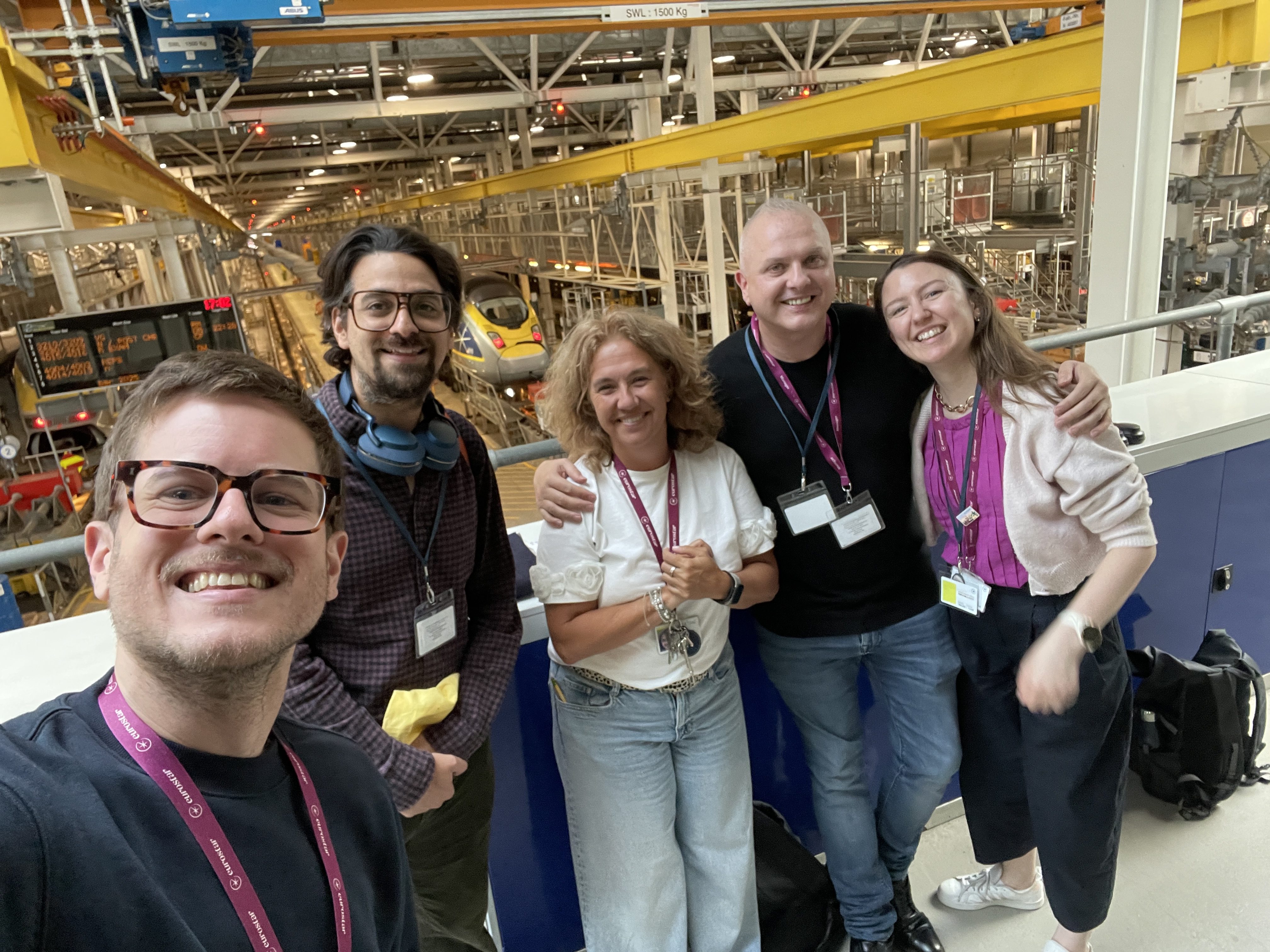
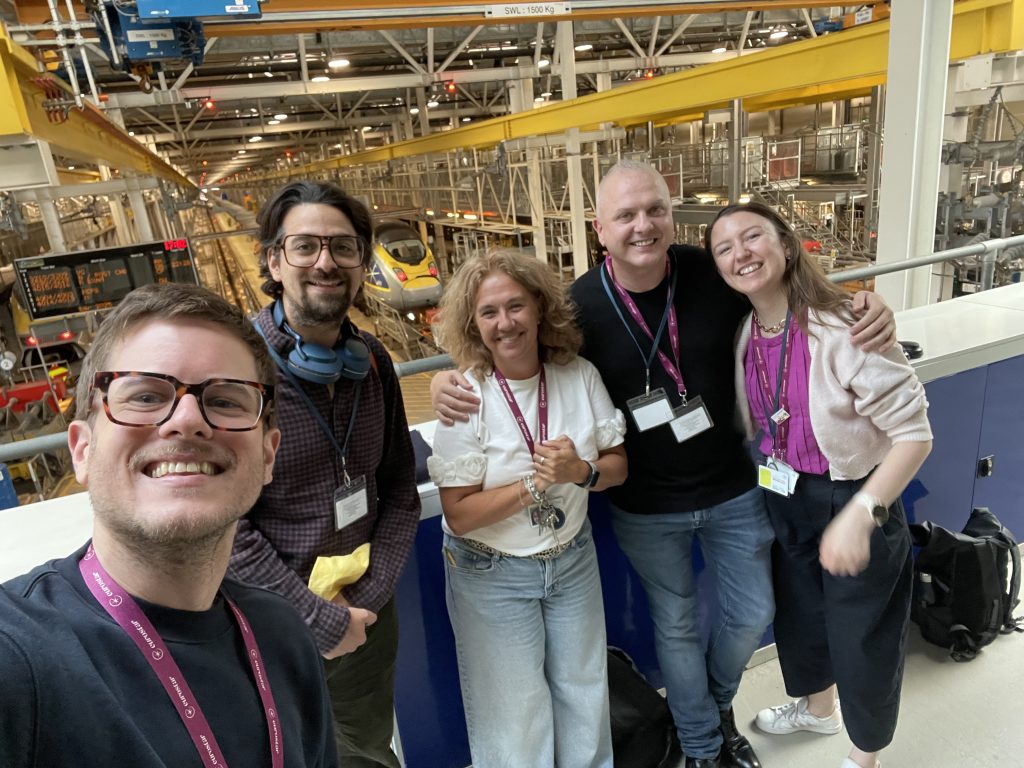
One of the key moments for me in the Zero tolerance behavioural change campaign was specifically inviting colleagues from different teams to give their criticisms. With representation from Communications, DEI, Compliance, Safety and HR teams, across locations, functions and cultures, we refined our message. Specifically, when we originally translated the copy into French, a colleague working in Paris shared her feedback that we could borrow language used from the city’s metro, where the tone would be familiar and the positioning in line with local cultural expectations.
That’s so important when it comes to a campaign on behaviours within a company, and proactively inviting cross-functional criticism is why our campaign landed without pushback when it went live.
The next time you go out for lunch, and talk about work, do me – and yourself – a favour and ask the question: do you proactively seek feedback and criticism? And if not, why not?