
Reaching the operational frontline
As operational businesses get larger and more complex, more opportunities are created for silos to form thanks to geography, shift times and functions. Reaching a matrix of colleagues, all within various audiences with different needs and communications styles, needs a holistic approach.
There can be a temptation from any central internal communications team to hold firm on the reins, to attempt to own all outputs and be slightly dismissive of those attempting to share information locally. But I’d argue that building relationships is crucial in this endeavour and through trust and empowerment, something more impactful can take shape.
At my last company, I started out in one of these silos, employed specifically in a role to improve the communications and engagement for a dedicated audience, albeit one located just a ten-minute walk from the corporate office. Whilst I had the support of my direct line manager and the team around me, I quickly realised that there was a missing link: a connection with the central internal comms team.
I was able to share content, ad nauseam, about local initiatives, upcoming events, changes to schedules and on subjects that directly had an impact on the audience. But on corporate topics, such as the ongoing merger, a brand-new offer and positioning, or even the company’s annual priorities, I was somewhat lost and the audience I was responsible for struggled to engage.
When two-thirds of employees aren’t working in a corporate, office-based setting, such as at my previous employer, this presents a significant challenge for internal communications. And it’s something I believe internal communications professionals need to lean into, rather than run away from.
That’s not to say that the central internal communications team weren’t trying to engage with frontline colleagues at all: they had a programme of engagement events that saw the C-suite spend time at locations with operational colleagues, creating an opportunity for two-way dialogue.
But this, due to diary limitations, various constraints and capacity, was restricted to just a couple of times a year for each audience. And if, as a frontline colleague, you weren’t rostered to work, then you’d miss out on the content entirely.
One of the initiatives I inherited, and subsequently audited and relaunched, was a weekly briefing programme. I built a strategy around using this as a channel to open up new connections between different teams, providing briefings on indirectly related topics. Perhaps most importantly, I also made sure that each session was recorded so that the content lived on and could be viewed by those who couldn’t make it in person.
Because one of the first rules of communications anyone will learn is that if you don’t show people that something happened, how will they ever know it happened. I’ve heard this summarised as ‘we don’t know what we don’t know’ recently, which I think somewhat captures the sentiment.
Like me, across the company’s dozens of sites, there were colleagues employed specifically to help deliver local, operational communications to specific audiences, all without a central connection to the corporate internal comms team. So, I put the question to the Head of IC: ‘Can we set up a regular meeting to help?’
Soon after, I took an opportunity to join the central IC team to cover maternity leave. I now had three things of value: the first – a direct, lived experience of the challenges faced by colleagues communicating operational and local content, often working alone; the second – the opportunity to build an impactful solution; the third – motivation to make change happen.
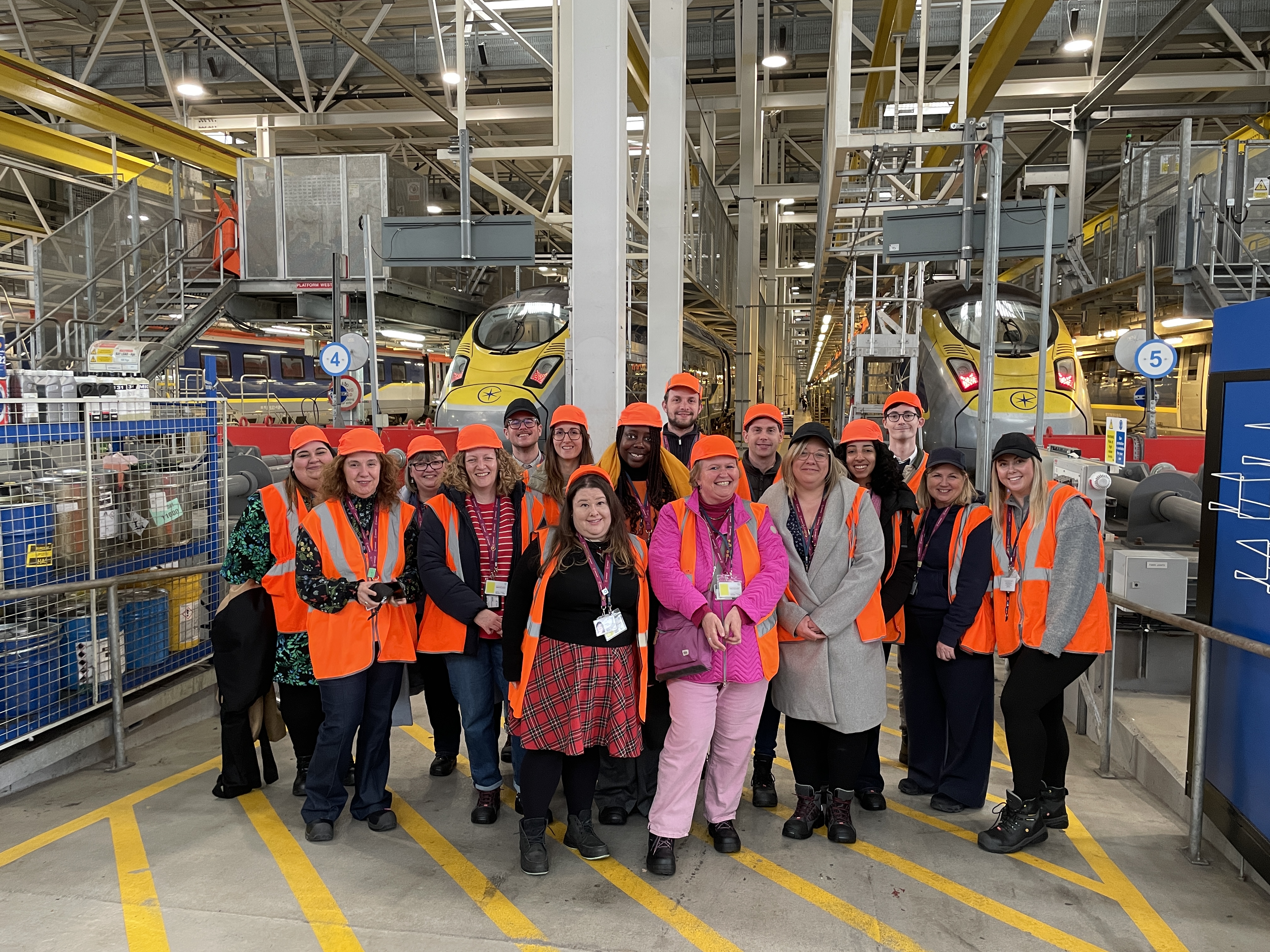
That’s why I pitched a ‘Frontline Communicators’ network with the explicit intention to bridge this gap. This solution was inspired by my time in political campaigning, where the central team leant into the challenge to understand local needs and designed a regular cadence of engagement to build a network, deliver training and receive information.
The first step was to map stakeholders, auditing any localised communications and understanding their audiences. It was essential to also grasp each individual’s motivations and objectives to shape the programme, helping them reach their goals too.
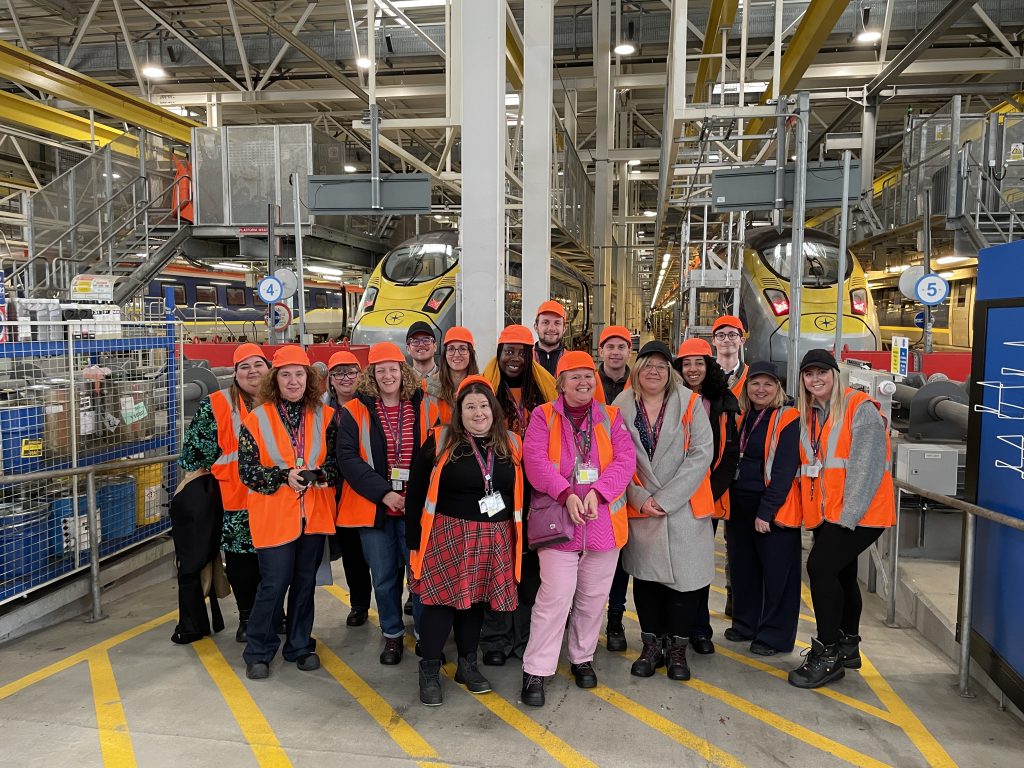
I then went on to design a framework: regular, optional online check-ins; monthly deep-dive seminars; quarterly in-person ‘work together’ days; a dedicated chat on Teams; ways to engage, share and action feedback.
Whenever there was a big piece of news coming from the central IC team, we now had a team of ambassadors in the Frontline Communicators network on standby to quickly amplify this content, not replace or compete against it.
And perhaps, most importantly, attendance of the network wasn’t mandatory. It meant that the biggest measure of success was the continued engagement by participating colleagues. They, like everyone, had busy agendas, yet made time to contribute to the programme, regularly showing up and taking an active role in the group.
Internal communications has, as perhaps its core objective, to land messages with audiences. When those audiences are fragmented and diverse, there is no excuse not to build relationships with local contacts to help improve comms, together. It shows that through collaboration, open dialogue and trust, even the most hard-to-reach populations can be reached.
What do you think? Do you work in an operational organisation? How do you make sure that messages land with frontline colleagues?