
Even the Prime Minister needs a comms strategy
Regardless of the size of an organisation, the importance of communications and engagement cannot be overstated or undervalued. And yesterday’s news about the British Prime Minister resigning is the clearest argument that even at the very top, most high profile role in the UK, clear communications are essential.
Starmer’s tenure in Number 10 didn’t falter because his government wasn’t working on the biggest issues of the day. It faltered because it failed to create clear and digestible messages that, most importantly, the public and his parliamentary party could buy into. Just take his u-turn on winter fuel allowance, where he not only failed to communicate with those it would impact most, but with his own MPs to explain why this was a cornerstone of his approach to make Britain a better society.
There is a lesson for us all in Starmer’s resignation though, and that’s the shift even further to a new type of information consumption. Over the course of my career, I’ve always tried to find a hook that energises audiences to linger a little longer at what I’m trying to say, whether that’s on the front of a leaflet, the subject line of an email or the first sentence of an intranet article. With even more of the population getting their news from social media, and more accurately short-form video content, the entire comms profession needs to readjust and reflect on the tactics we deploy.
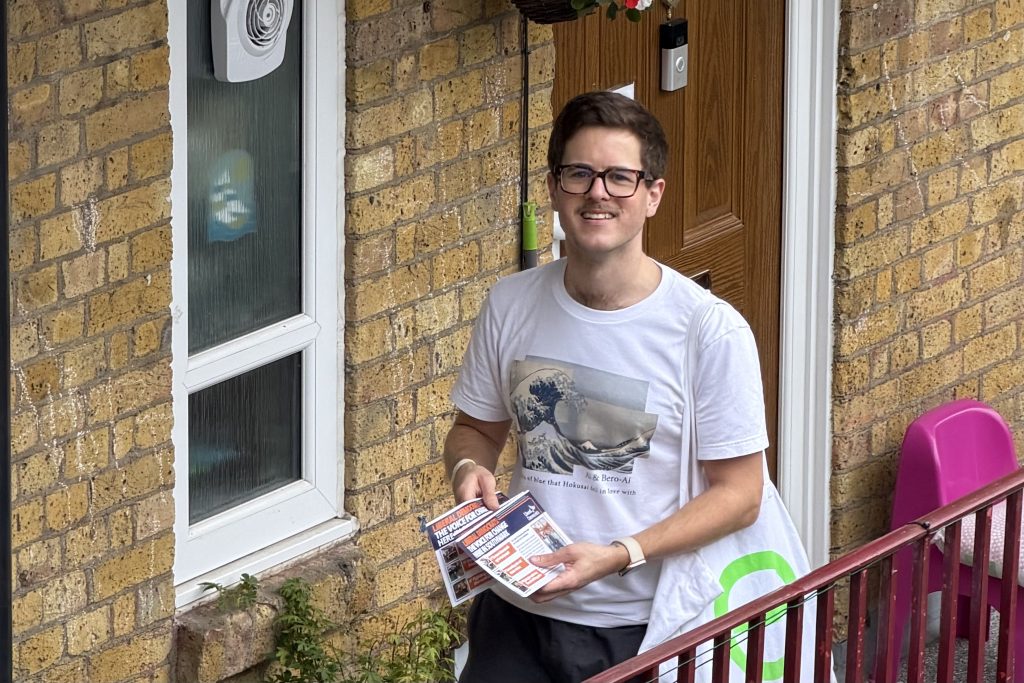
As someone who is closely involved in politics, including running in the recent Southwark Council elections, the key – as ever – is to win the trust of the audience in what you’re saying. Without this, you’re truly scuppered. If we think about it, this is true of any leader – that of a politician or chief executive – they need to command support from their teams, and win the buy-in on their vision.
I think we should also spend a moment to appreciate Starmer’s resignation. It’s not often that a leader will step down in a measured and thoughtful way. Whilst I might disagree on the direction he took this country in, I can commend him for not letting his ego get in the way. That said, due to the idiosyncratic British style of democracy, the UK is once again in a position where the public have not voted for the Prime Minister.
The incoming Labour leader, whether coronated or challenged, will not have the mandate of the British public, and there lies an interesting dilemma. Does Andy Burnham go back to voters via a snap general election and risk losing the huge majority Starmer delivered (albeit a coalescing of the anti-Tory vote at the time), or does he plough on and find a strategy to counter this? Though I’d prefer the British public to have a voice, I’d assume that he’ll wait at least until a clear bounce in the polls before calling for an election.
When we look to make significant change, any leader must communicate, and also engage, with their audience. It’s vital that stakeholders are mapped, that core messages are aligned and consistent, and that there is a regular cadence of delivery. And, perhaps more importantly than ever, we need to reflect how audiences wish to engage with information and go to where they are, rather than expecting them to come to us.
It’s an approach that I took as a communications professional, identifying and developing a ‘frontline first’ approach, specifically looking at how a critical operational population found their information, adapting our comms team outputs to match, and looking to remove barriers to improve access. It’s why I designed and built a single source of truth as an accessible ‘space’ on Workvivo, and used local communications channels to promote it.
Part of the process of merging two companies was to deploy a new social intranet where a variety of content could live, including videos. The benefits of this new age of information sharing are huge, if stakeholders can agree on the age-old communications question: ‘what is the top line?’ This core message has become even more important than ever, and being consistent in delivering this message through a variety of channels and formats makes the difference.
Short-form video forces communications and engagement professionals to be concise, calibrating our message and capturing attention early. It means we need to be confident in what we’re saying and, as the details are plain for all to see, we need to be authentic in our delivery too. I’ll admit, this is harder for some leaders than others, especially when there is something difficult to say and their hands are tied by other constraints.
Starmer’s speech yesterday morning showed resolve and humility. He came across as authentic in his belief that he has delivered for the people of Britain, and especially when his voice wavered around as he spoke about his family, the audience connected with him on a human level. Perhaps this is something all communications and engagement professionals should reflect on this week – what do you think?